

Cash flow is the lifeblood of any business, and for small businesses, it is especially crucial. Unlocking Financial Success: A Cash Flow Statement Example for Small Businesses is a tool that enables entrepreneurs to effectively manage their finances and achieve sustainable growth.
Before this invaluable resource became widely available, small businesses often struggled to monitor their cash flow effectively. They had to manually track their income and expenses, relying on guesswork or outdated methods. This approach left them vulnerable to financial instability and uncertainty about their financial health.
Nowadays, Unlocking Financial Success: A Cash Flow Statement Example for Small Businesses provides a practical solution to these challenges. By presenting a structured and comprehensive breakdown of a company’s cash inflows and outflows over a given period, it offers entrepreneurs a clear picture of their financial situation. With this statement in hand, they can make informed decisions about spending, investment, and planning for the future.
The significance of this tool cannot be overstated. According to a study conducted by the Small Business Administration, inadequate cash flow management is one of the primary reasons why small businesses fail. In fact, 82% of businesses that fail do so because they experience cash flow problems. This statistic underscores the importance of having a solid understanding of cash flow and employing effective strategies to maximize it.

Unlocking Financial Success: A Cash Flow Statement Example for Small Businesses not only addresses these concerns but also offers practical guidance for entrepreneurs. It teaches them how to identify and analyze key components of their cash flow, including operating activities, investing activities, and financing activities. By examining these elements, small business owners can identify potential bottlenecks, optimize their financial operations, and ultimately unlock their growth potential.
In summary, Unlocking Financial Success: A Cash Flow Statement Example for Small Businesses is an indispensable tool for entrepreneurs looking to navigate the complex world of finance. By providing a clear and concise overview of a company’s cash inflows and outflows, it enables small business owners to make informed decisions and steer their ventures towards long-term success.
How can a cash flow statement example help small businesses achieve financial success?
In this article, we will discuss the significance of using a cash flow statement example for small businesses and how it can contribute to unlocking financial success. A cash flow statement is a financial document that provides a summary of the cash inflows and outflows within a specific period. By analyzing this statement, businesses can gain valuable insights into their financial health, liquidity, and overall performance. Understanding the cash flow statement example will enable small businesses to make informed decisions, identify areas of improvement, and effectively manage their cash flow. Let’s delve deeper into the importance of cash flow statements and explore how they can benefit small businesses in achieving financial success.
Unlocking Financial Success: A Cash Flow Statement Example for Small Businesses
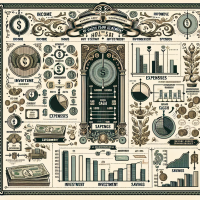
When it comes to running a small business, understanding your cash flow is essential for both short-term decision-making and long-term financial success. A cash flow statement provides a clear picture of the money flowing in and out of your business during a specific period. By examining this statement, you can gain valuable insights into your business’s financial health and make informed decisions to improve your bottom line.
The Basics: What is a Cash Flow Statement?
A cash flow statement is a financial document that tracks the cash inflows and outflows of a business over a specific period, typically a month, quarter, or year. It provides a comprehensive overview of how cash is generated and used within the business, offering a clear depiction of the cash flow cycle. The statement is divided into three main sections: operating activities, investing activities, and financing activities.
Operating Activities
The operating activities section of a cash flow statement includes all cash transactions related to the normal operations of the business. This section shows the cash inflows from sales, customer payments, and other revenue sources, as well as the cash outflows for expenses, salaries, and inventory. Understanding the cash flow from operating activities is crucial in assessing the profitability and sustainability of your business.
Investing Activities
The investing activities section highlights the cash flows related to investments in assets and other non-current items. It includes cash inflows from the sale of assets, investments, or securities and cash outflows for purchasing new equipment, property, or long-term investments. Monitoring the cash flow from investing activities helps you evaluate the efficiency of your investment decisions and the potential for future growth.
Financing Activities
The financing activities section encompasses all the cash flows related to raising capital and repaying debts. It includes cash inflows from loans, equity investments, or other sources of financing and cash outflows for loan repayments, dividends, or share repurchases. Understanding the cash flow from financing activities allows you to assess the business’s ability to meet its financial obligations and fund growth initiatives.
An Example of a Cash Flow Statement for Small Businesses
Let’s consider a hypothetical cash flow statement example for a small retail business:
Operating Activities:

   Cash inflows:

      Sales revenue: $50,000

      Customer payments: $40,000

   Cash outflows:

      Inventory purchases: $20,000

      Salaries and wages: $10,000


Investing Activities:

   Cash inflows:

      Sale of equipment: $5,000

   Cash outflows:

      Purchase of new equipment: $7,000


Financing Activities:

   Cash inflows:

      Bank loan: $10,000

   Cash outflows:

      Loan repayment: $3,000
In this example, the business generated a positive cash flow from operating activities ($10,000), indicating that its core business operations were profitable. However, it experienced negative cash flow from investing activities (-$2,000) due to the purchase of new equipment. The financing activities resulted in a net positive cash flow ($7,000) due to the bank loan. Analyzing this cash flow statement example helps the business owner identify areas of improvement, such as managing inventory levels or optimizing investment decisions.
The Importance of Cash Flow Management for Small Businesses
Cash flow management is crucial for the survival and growth of small businesses. According to the Small Business Administration, inadequate cash flow is one of the top reasons why small businesses fail. By maintaining positive cash flow, businesses can meet their financial obligations, invest in growth opportunities, and weather unforeseen expenses or economic downturns.
Statistic: A survey conducted by U.S. Bank found that 82% of small businesses fail due to poor cash flow management.
Understanding a cash flow statement example for small businesses empowers entrepreneurs to make informed financial decisions, identify potential cash flow issues, and implement strategies to ensure a healthy financial position. Regular monitoring and analysis of your cash flow statement can lead to improved profitability, increased operational efficiency, and long-term financial success.
FAQs – Unlocking Financial Success: A Cash Flow Statement Example for Small Businesses
FAQs
1. What is a cash flow statement?
A cash flow statement is a financial statement that shows how cash flows in and out of a business during a specific period. It provides insights into the company’s operating, investing, and financing activities.
2. Why is a cash flow statement important for small businesses?
A cash flow statement is crucial for small businesses as it helps monitor and manage their cash flow effectively. It enables businesses to identify potential cash flow issues, make informed decisions, and ensure they have enough cash to meet their financial obligations.
3. What are the main components of a cash flow statement?
The main components of a cash flow statement include operating activities, investing activities, and financing activities. Operating activities involve cash flows from the day-to-day operations of the business, while investing activities relate to the buying or selling of assets. Financing activities include cash flows from borrowing or repaying loans, issuing or buying back shares, and distributing dividends.
4. How can small businesses improve their cash flow?
Small businesses can improve their cash flow by implementing effective cash management techniques such as closely monitoring receivables and payables, negotiating favorable payment terms with suppliers, improving inventory management, cutting unnecessary expenses, and actively pursuing outstanding invoices.
5. How often should a small business prepare a cash flow statement?
A small business should prepare a cash flow statement regularly, typically on a monthly basis or at least quarterly. This frequency allows business owners to stay updated on their cash flow situation and take appropriate actions promptly.
6. Can a positive net income indicate a healthy cash flow?
Not necessarily. While a positive net income is generally considered a good sign, it does not necessarily indicate a healthy cash flow. Cash flow is determined by the actual movement of cash, which can be affected by factors such as accounts receivable, accounts payable, and non-cash expenses like depreciation. Therefore, it is crucial to analyze the cash flow statement separately.
7. What is the purpose of the cash flow statement example provided in the article?
The cash flow statement example provided in the article serves as a practical guide for small businesses. It helps them understand how to structure and prepare their own cash flow statements, enabling better financial management and decision-making.
8. Are there any software tools available to assist with cash flow management for small businesses?
Yes, numerous software tools are available to assist small businesses with cash flow management. These tools automate the process, provide real-time insights, and offer features like cash flow forecasting, expense tracking, and invoice management.
9. How can a cash flow statement help secure financing for a small business?
A well-prepared cash flow statement can help small businesses secure financing by demonstrating their ability to generate positive cash flow, repay loans, and cover their financial obligations. Lenders and investors often use cash flow statements to evaluate the financial health and viability of a business.
10. What are some common pitfalls to avoid when preparing a cash flow statement?
Some common pitfalls to avoid when preparing a cash flow statement include failing to include all cash inflows and outflows, not considering non-cash items, inaccurately categorizing cash flows, and neglecting to reconcile the statement with other financial statements like the income statement and balance sheet.
Conclusion
In conclusion, understanding and effectively managing cash flow is crucial for the financial success of small businesses. The cash flow statement example provided in this article highlights the importance of accurate record-keeping and monitoring of cash inflows and outflows. By using this example as a guide, small business owners can gain valuable insights into their cash flow patterns and make informed decisions to improve their financial position.
The cash flow statement example demonstrates the three main sections of a cash flow statement: operating activities, investing activities, and financing activities. It emphasizes the significance of maintaining a positive operating cash flow, as it indicates that a business is generating enough cash from its core operations to cover its expenses. Additionally, the example showcases the impact of investing and financing activities on cash flow, emphasizing the need for careful consideration and planning.
Furthermore, the article highlights the importance of accurate cash flow forecasting for small businesses. By forecasting their cash flow, entrepreneurs can anticipate potential shortfalls and take proactive measures to mitigate financial challenges. This example also underlines the significance of identifying and managing cash flow gaps, such as delayed customer payments or unexpected expenses, to maintain a healthy cash flow.
In conclusion, the cash flow statement example for small businesses serves as a practical tool for entrepreneurs to understand, analyze, and optimize their cash flow. By implementing effective cash flow management strategies based on this example, small business owners can unlock financial success and ensure the sustainability and growth of their ventures.