

Cash flow statements play a crucial role in the financial management of a business. They provide valuable information on cash inflows and outflows, tracking spending and projecting future cash flow. With this data, businesses can make informed decisions on budgeting, prioritizing essential activities, and reducing unnecessary expenses. In this article, we will explore the importance of cash flow statements in business operations, and how they help to ensure financial success and stability.
Projected Cash Flow for Short-Term Goal Achievement
Anticipating and managing cash flow is a critical aspect of financial management for businesses. The ability to project cash flow in the near future is instrumental in ensuring that a company can meet its short-term financial goals. This proactive approach allows businesses to assess and address potential shortfalls, plan for necessary investments, and allocate funds effectively. By analyzing expected cash inflows and outflows, businesses can make informed decisions to optimize their financial position and ensure that they have the necessary liquidity to cover operational expenses and capitalize on opportunities.
Furthermore, projecting cash flow enables businesses to anticipate and plan for seasonal fluctuations, market dynamics, and other factors that can impact their financial position. It serves as a financial compass, guiding decision-making and mitigating the risk of being unprepared for financial obligations. Whether it involves managing payroll, replenishing inventory, or addressing other short-term financial needs, the ability to project cash flow empowers businesses to navigate their financial obligations with confidence and foresight.
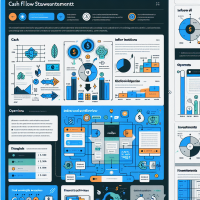
Additionally, projected cash flow provides the foundation for developing contingency plans and identifying areas where cost-saving measures or adjustments to revenue generation may be necessary. By gaining visibility into their future cash position, businesses can adapt their strategies and operations to align with their anticipated financial realities, ultimately enhancing their resilience and sustainability.
Utilizing Past Data to Inform Long-Term Budgeting
While projected cash flow addresses short-term financial goals, past data plays a crucial role in informing long-term budgeting and financial planning. Historical cash flow information provides valuable insights into the cyclical nature of a business’s cash inflows and outflows, as well as its overall financial performance over time. By analyzing trends, identifying patterns, and understanding the underlying drivers of cash flow dynamics, businesses can develop informed and realistic long-term budgetary plans that reflect their historical financial realities.
Moreover, past data serves as a foundation for evaluating the effectiveness of previous financial strategies, identifying areas for improvement, and setting achievable long-term financial objectives. It offers a comprehensive perspective that encompasses varying business cycles, economic conditions, and internal operational changes, enabling businesses to make prudent financial decisions that are aligned with their long-term vision and sustainability goals.
By leveraging past data to inform long-term budgeting, businesses can enhance their financial resilience, optimize resource allocation, and establish a robust framework for achieving their strategic growth initiatives. This strategic approach to long-term financial planning enables businesses to navigate uncertain future conditions with a proactive and informed strategy, positioning them for sustained success and adaptability in dynamic market environments.
Empowering Management to Prioritize Essential Activities
Effective cash flow management provides management with the tools and insights necessary to prioritize essential activities and allocate resources strategically. By gaining a clear understanding of the business’s projected cash flow and historical financial patterns, management can make informed decisions regarding investment opportunities, operational expansions, debt management, and other critical financial considerations. This enables management to align the allocation of financial resources with the most pressing and value-creating activities, fostering financial prudence and operational agility.
Furthermore, the ability to prioritize essential activities based on cash flow considerations allows management to optimize the utilization of available funds, seize favorable opportunities, and navigate financial constraints with confidence. It also facilitates effective communication and collaboration across different functional areas of the business, ensuring that financial resources are allocated in a manner that supports overall business objectives and maximizes the impact of strategic initiatives.
Ultimately, empowering management to prioritize essential activities through comprehensive cash flow management contributes to the overall efficiency, effectiveness, and financial well-being of the organization. It fosters a strategic approach to resource allocation and investment, guiding the organization toward its overarching goals while maintaining a prudent and sustainable financial posture.
Identifying Waste and Implementing Expense Reduction
A thorough analysis of cash flow patterns and financial data provides businesses with the means to identify waste and implement targeted expense reduction initiatives. By scrutinizing cash outflows and examining expenditure patterns, businesses can pinpoint areas of inefficiency, unnecessary costs, and non-essential expenses. This heightened visibility enables businesses to take decisive actions to streamline their operations, eliminate waste, and optimize cost structures without compromising essential business functions or quality standards.
Furthermore, the ability to identify and reduce expenses through a comprehensive understanding of cash flow promotes financial discipline and accountability within the organization. It encourages a culture of prudent resource management and cost-conscious decision-making, aligning the entire organization towards the common goal of maximizing operational efficiency and profitability.
Implementing expense reduction measures based on insights derived from cash flow analysis also positions businesses to strengthen their financial position, enhance their competitive edge, and reallocate saved resources towards value-added initiatives, innovation, or strategic investments. It represents a proactive and strategic approach to financial management that bolsters the resilience and long-term sustainability of the business.
Gaining Detailed Insight into Outflows and Financial Commitments
Comprehensive cash flow analysis provides businesses with a detailed insight into their outflows and financial commitments, facilitating a holistic understanding of their financial obligations and the timing of these obligations. By examining the nature and timing of cash outflows, businesses can anticipate and plan for various expenses, including operating costs, debt payments, capital expenditures, and other financial obligations. This level of insight enables businesses to proactively manage their financial commitments, avoid liquidity shortages, and maintain a healthy and sustainable cash position.
Furthermore, gaining detailed visibility into outflows empowers businesses to negotiate favorable payment terms, leverage discounts, and optimize their working capital management. It also supports more accurate and effective budgeting, enabling businesses to align their cash outflows with their revenue generation and overall financial strategy. This proactive approach to managing outflows enhances financial predictability and mitigates the risk of encountering unexpected financial challenges or constraints.
In addition, the detailed insight derived from cash flow analysis enables businesses to assess the impact of their financial commitments on their overall financial performance and to make informed decisions regarding the allocation of financial resources. This level of understanding is instrumental in cultivating a proactive and prudent financial management approach that safeguards the financial well-being and stability of the business.
Revealing the Financial Success of Core Business Activities
One of the fundamental roles of the cash flow statement is to reveal the financial success of a business’s core activities. By delineating the sources and uses of cash from operating, investing, and financing activities, the cash flow statement provides a comprehensive overview of how a business generates and utilizes cash. This level of transparency is crucial in assessing the effectiveness of a company’s core operations in generating positive cash flows and in ensuring that the business is financially sustainable in the long term.
Moreover, the cash flow statement offers valuable insights into the relationship between a company’s net income and its actual cash position, shedding light on the impact of non-cash transactions, accrual accounting, and other financial considerations on the business’s liquidity and financial health. It serves as a dynamic document that complements the balance sheet and income statement, providing a comprehensive and integrated view of a company’s financial performance and its ability to generate and manage cash effectively.
By revealing the financial success of the business’s core activities, the cash flow statement informs strategic decision-making, investment evaluations, and performance assessments. It provides stakeholders with a clear understanding of how a company’s operational, investment, and financing activities contribute to its overall financial well-being and long-term sustainability, serving as a critical barometer of the business’s financial performance and value creation.
Offering Insight into Financial Health and Available Cash
The cash flow statement plays a pivotal role in offering insight into a business’s financial health and the availability of cash for meeting its operational expenses and debt payments. By delineating the sources and uses of cash over a specified period, the cash flow statement provides a clear and comprehensive picture of a company’s liquidity, solvency, and ability to meet its financial obligations. This level of insight is instrumental in assessing a company’s short-term and long-term financial viability and in guiding prudent financial management and decision-making.
Furthermore, the cash flow statement enables businesses to determine the adequacy of their available cash for addressing operational needs, capital investments, and debt service requirements. It provides a basis for evaluating the sufficiency of a company’s cash reserves and the necessity for securing additional funding or adjusting its financial strategies. This insight is essential for maintaining financial stability, proactively addressing liquidity challenges, and ensuring that a business has the necessary financial resources to support its ongoing operations and growth initiatives.
Additionally, by offering insight into a business’s financial health and available cash, the cash flow statement facilitates effective communication with internal and external stakeholders, including investors, creditors, and financial partners. It provides a transparent and detailed depiction of a company’s cash position and its ability to generate and manage cash, instilling confidence and trust in the business’s financial management and its capacity to navigate diverse financial conditions with resilience and foresight.
Key Tool for Financial Planning and Decision Making
Ultimately, the cash flow statement serves as a key tool for financial planning and decision-making, encompassing both short-term operational considerations and long-term strategic imperatives. By providing a comprehensive analysis of a company’s cash flows, financial activities, and liquidity position, the cash flow statement equips businesses with the insights and information necessary to make prudent financial decisions, allocate resources effectively, and plan for their ongoing financial needs and objectives.
It offers a dynamic and real-time perspective on a company’s financial performance and its capacity to generate and manage cash, enabling businesses to adapt their strategies, deploy their resources, and navigate financial challenges with confidence and clarity. The cash flow statement also facilitates the identification of potential financial opportunities, the assessment of investment alternatives, and the alignment of financial strategies with the overarching goals and vision of the business.
Furthermore, as a document of critical importance for internal and external stakeholders, the cash flow statement underpins the credibility and transparency of a company’s financial management. It provides a clear and objective representation of a company’s cash position, financial activities, and the impact of its operational and investment decisions on its overall financial health and sustainability. As such, the cash flow statement is an indispensable tool for enhancing financial transparency, supporting informed decision-making, and fostering the long-term prosperity and resilience of businesses across diverse industries and market environments.
Conclusion
In conclusion, cash flow statements play a critical role in a business’s financial operations. By projecting cash flow, tracking spending, and providing detailed insight into past and present financial activities, these statements serve as a crucial tool in financial planning and decision making. They also aid in identifying waste, determining available cash for expenses and debt payments, and assessing the financial health of a company. Overall, cash flow statements are essential for both internal and external stakeholders in understanding a business’s financial success and supporting long-term budgeting.