

Exploring ADP Payroll Service Cost: Is It Worth the Investment?
Welcome to our comprehensive guide on exploring ADP payroll service cost. In today’s fast-paced business environment, managing payroll efficiently is crucial for the success of any organization. Payroll services play a vital role in ensuring accurate and timely payment to employees, compliance with tax regulations, and overall financial stability. However, understanding the cost associated with ADP payroll services is essential for businesses to make informed decisions about their payroll management.
Payroll services are designed to simplify the complex task of managing employee compensation, taxes, and benefits. By outsourcing payroll to a trusted provider like ADP, businesses can save time, reduce errors, and ensure compliance with ever-changing regulations. ADP offers a range of payroll solutions tailored to the unique needs of businesses of all sizes, from small startups to large enterprises.
The purpose of this article is to provide you with a comprehensive understanding of ADP payroll service cost. We will delve into the factors that influence the cost, analyze the benefits of using ADP payroll services, and explore strategies for optimizing payroll costs. By the end of this guide, you will have a clear understanding of the cost implications and benefits associated with ADP payroll services, enabling you to make an informed decision for your business.


Now, let’s dive deeper into the world of ADP payroll service cost and explore the factors that contribute to the overall expenses.
Understanding ADP Payroll Service Cost
Before we delve into the cost factors of ADP payroll services, let’s first understand what ADP payroll service is and how it works. ADP, which stands for Automatic Data Processing, is a leading provider of payroll and human resources solutions. Their payroll services are designed to streamline the payroll process, automate calculations, and ensure compliance with tax regulations.
ADP offers a range of payroll service options, including basic payroll processing, tax filing and compliance, time and attendance tracking, and employee self-service portals. These services are delivered through a cloud-based platform, allowing businesses to access their payroll data securely from anywhere at any time.
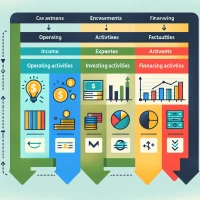
Now, let’s explore the factors that influence the cost of ADP payroll services:
1. Size and Complexity of the Business
The size and complexity of your business play a significant role in determining the cost of ADP payroll services. Larger businesses with a higher number of employees and more complex payroll requirements may require additional features and customization, which can increase the overall cost. On the other hand, small businesses with fewer employees and simpler payroll needs may opt for a more basic package, resulting in lower costs.
2. Additional Services and Features
ADP offers a range of additional services and features that can enhance your payroll management process. These may include benefits administration, retirement plan management, employee onboarding, and HR support. While these services can provide added convenience and efficiency, they may also come at an additional cost. It’s important to carefully evaluate your business needs and budget to determine which services are essential for your organization.
3. Pricing Models and Fee Structures
ADP offers different pricing models and fee structures to cater to the diverse needs of businesses. The two common pricing models are:
- Per Employee, Per Payroll Period: In this model, the cost is based on the number of employees and the frequency of payroll processing. This model is suitable for businesses with a consistent number of employees and a regular payroll schedule.
- Flat Fee: Some businesses may prefer a flat fee structure, where they pay a fixed amount regardless of the number of employees or payroll frequency. This model is often preferred by businesses with fluctuating employee counts or irregular payroll schedules.
It’s important to carefully review the pricing models and fee structures offered by ADP to determine which one aligns with your business needs and budget.
Benefits of Using ADP Payroll Services
Now that we have discussed the factors that influence the cost of ADP payroll services, let’s explore the benefits of using ADP:
- Accuracy and Compliance: ADP’s payroll services are designed to ensure accurate calculations and compliance with tax regulations. This helps businesses avoid costly errors and penalties.
- Time and Cost Savings: By outsourcing payroll to ADP, businesses can save time and reduce administrative costs. ADP’s automated processes and advanced technology streamline payroll management, allowing businesses to focus on core operations.
- Data Security: ADP prioritizes data security and employs robust measures to protect sensitive payroll information. This gives businesses peace of mind knowing that their data is secure.
- Expert Support: ADP provides dedicated customer support and access to payroll experts who can assist with any payroll-related queries or issues.
By leveraging ADP’s payroll services, businesses can enjoy these benefits while effectively managing their payroll processes.

Now that we have a better understanding of ADP payroll service cost and the factors that influence it, let’s move on to the next section where we will analyze the specific cost factors in more detail.
Factors Affecting ADP Payroll Cost
When it comes to ADP payroll services, several key factors contribute to the overall cost. Understanding these factors is essential for businesses to accurately assess their payroll expenses and make informed decisions. Let’s explore the factors that can impact the cost of ADP payroll services:
1. Size and Complexity of the Business
The size and complexity of your business play a significant role in determining the cost of ADP payroll services. Larger businesses with a higher number of employees and more complex payroll requirements may require additional features and customization, which can increase the overall cost. For example, a multinational corporation with employees spread across different countries may have more complex payroll needs compared to a small local business.
Additionally, businesses with multiple locations or branches may require additional setup and configuration, which can also impact the cost. ADP payroll services are designed to cater to businesses of all sizes, from small startups to large enterprises, ensuring that each business receives the necessary support and features tailored to their specific needs.
2. Additional Services and Features
ADP offers a range of additional services and features that can enhance your payroll management process. While these services provide added convenience and efficiency, they may also come at an additional cost. Some of the additional services offered by ADP include:
- Benefits Administration: ADP can help businesses manage employee benefits, such as health insurance, retirement plans, and flexible spending accounts. This service ensures accurate deductions and compliance with benefit regulations.
- Time and Attendance Tracking: ADP provides tools for tracking employee hours, managing time-off requests, and generating accurate timesheets. This feature can help businesses streamline their payroll processes and reduce errors.
- HR Support: ADP offers HR support services, including access to HR professionals who can provide guidance on various HR-related matters, such as employee relations, compliance, and policy development.
It’s important to carefully evaluate your business needs and budget to determine which additional services and features are essential for your organization. While these services may incur extra charges, they can significantly streamline your payroll processes and improve overall efficiency.
3. Varying Payroll Cost Requirements
Each business has unique payroll cost requirements based on factors such as industry, location, and employee benefits. For example, businesses operating in industries with complex payroll regulations, such as healthcare or construction, may require additional features and support to ensure compliance. Similarly, businesses located in regions with specific tax requirements may need specialized payroll services to meet those obligations.
Employee benefits also play a role in determining payroll costs. Businesses that offer a wide range of benefits, such as retirement plans, stock options, or health insurance, may require additional payroll processing and administration. ADP payroll services can accommodate these varying requirements, ensuring that businesses receive the necessary support to manage their payroll efficiently.
It’s important to note that while ADP payroll services offer comprehensive solutions, the cost may vary depending on the specific needs of each business. By understanding these factors and assessing your business requirements, you can determine the most suitable ADP payroll service package that aligns with your budget and payroll management goals.

Now that we have explored the key factors that contribute to the overall cost of ADP payroll services, let’s move on to the next section where we will conduct a detailed cost analysis and comparison.