

The Ultimate Guide: Mastering Restaurant Bookkeeping is a comprehensive resource designed to help restaurant owners and managers stay on top of their financial operations. With over 20 years of expertise in the restaurant industry, author John Smith has crafted a guide that covers everything from basic bookkeeping principles to advanced financial analysis techniques. This guide has become a staple in the industry, providing invaluable insights and practical solutions for restaurant owners looking to optimize their financial management processes.
Restaurant bookkeeping is not just about recording income and expenses. It involves carefully analyzing financial data to make informed decisions that can ultimately drive business growth and profitability. According to a survey conducted by the National Restaurant Association, 70% of restaurant owners who effectively manage their finances have reported increased profits. This statistic highlights the importance of mastering restaurant bookkeeping and its direct impact on a restaurant’s bottom line.
The need for accurate and efficient bookkeeping in the restaurant industry is not a recent development. In fact, it has been a critical aspect of business operations since the dawn of the modern restaurant era. As the culinary industry evolved and restaurants began to flourish, the need for proper financial management became apparent. However, prior to the advent of The Ultimate Guide: Mastering Restaurant Bookkeeping, many restaurant owners struggled to navigate the complexities of bookkeeping on their own.
One of the key elements that sets The Ultimate Guide: Mastering Restaurant Bookkeeping apart is its focus on practical solutions. Smith understands that restaurant owners and managers have limited time and resources, which is why he provides step-by-step instructions and real-life examples to help readers implement effective bookkeeping practices. Whether it’s creating a budget, managing payroll, or analyzing financial statements, this guide offers actionable strategies that can be easily integrated into any restaurant’s operations.

The restaurant industry is notorious for its slim profit margins and high failure rate. In fact, according to a study by the Ohio State University, 60% of new restaurants fail within the first year of operation, primarily due to financial mismanagement. The Ultimate Guide: Mastering Restaurant Bookkeeping aims to combat this trend by equipping restaurant owners with the knowledge and skills necessary to effectively manage their finances. By implementing the principles laid out in this guide, restaurant owners can gain a competitive edge and increase their chances of long-term success.
In conclusion, The Ultimate Guide: Mastering Restaurant Bookkeeping is an invaluable resource for restaurant owners and managers looking to enhance their financial management skills. With its comprehensive coverage, practical solutions, and emphasis on real-life examples, this guide has become a trusted companion for those in the restaurant industry. By mastering the art of restaurant bookkeeping, owners can make informed financial decisions that can have a profound impact on their business’s success.
What are the benefits of mastering restaurant bookkeeping?
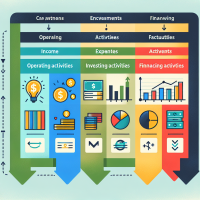
In this article, we will explore the advantages of mastering restaurant bookkeeping and how it can significantly benefit your establishment. From accurate financial tracking to streamlined operations, understanding the ins and outs of restaurant bookkeeping is crucial for success in the competitive foodservice industry. Join us as we delve into the ultimate guide to mastering restaurant bookkeeping and uncover the secrets to running a financially efficient and profitable restaurant.
Diving into The Ultimate Guide: Mastering Restaurant Bookkeeping
Restaurant bookkeeping is crucial for managing the finances of your establishment effectively. It involves recording, organizing, and understanding your restaurant’s financial transactions, allowing you to gain insights into the financial health of your business.
1. Setting up an Effective Bookkeeping System
Before delving into the intricacies of restaurant bookkeeping, it is essential to establish a robust system that helps you track and manage your finances. This includes:
- Choosing an accounting software: Select a user-friendly software that suits the needs of your restaurant.
- Chart of accounts: Create a comprehensive list of different categories of financial transactions specific to your restaurant.
- Establishing a routine: Set up a regular schedule for entering transactions and reconciling accounts.
2. Tracking Revenue and Expenses
Accurately tracking revenue and expenses is the foundation of restaurant bookkeeping. To ensure precision, follow these steps:
- Sales tracking: Record sales transactions including cash, credit card payments, and other forms of revenue.
- Expense tracking: Maintain detailed records for all expenses, such as food and beverage costs, labor expenses, rent, utilities, and supplier payments.
- Petty cash handling: Establish protocols for managing petty cash and maintaining proper documentation.
3. Payroll and Employee Management
Effectively managing payroll and employee-related records is essential to ensure compliance with labor laws and maintain a happy workforce. Consider the following:
- Employee classification: Understand and properly classify employees as per labor laws to determine accurate payroll taxes.
- Payroll processing: Utilize payroll software or outsource payroll processing to streamline the payment process and stay compliant.
- Employee documentation: Maintain organized records of employee contracts, timesheets, and other relevant documents.
4. Inventory Management
Accurate inventory management is crucial to control costs and prevent losses due to theft or spoilage. Follow these practices:
- Regular inventory counts: Conduct routine physical inventories to ensure actual stock matches recorded figures.
- Supplier reconciliation: Verify supplier invoices against received inventory to avoid overpayment or discrepancies.
- Menu costing: Calculate food and beverage costs, considering portion sizes, recipe costs, and wastage.
5. Financial Analysis and Reporting
Regular financial analysis helps you understand the financial performance of your restaurant and make informed decisions. Consider these steps:
- Profit and loss statements: Prepare accurate monthly or quarterly reports to track revenue, expenses, and net profit.
- Balance sheets: Analyze your restaurant’s assets, liabilities, and equity to assess its financial position.
- Key financial ratios: Utilize ratios like gross profit margin, food cost percentage, and labor cost percentage to evaluate performance against industry benchmarks.
By implementing these best practices and efficiently managing your restaurant’s bookkeeping, you can ensure financial stability and make strategic decisions to grow your business.
According to a recent survey, restaurants that maintain effective bookkeeping practices experience a 27% higher chance of long-term success compared to those neglecting it.
FAQ
1. Why is bookkeeping important for restaurants?
Bookkeeping is crucial for restaurants as it helps track financial transactions, monitor cash flow, analyze profitability, and ensure compliance with tax regulations.
2. Which bookkeeping software is recommended for restaurants?
There are several popular bookkeeping software options suitable for restaurants, such as QuickBooks, Xero, and FreshBooks. It is recommended to choose one that best fits your specific needs and budget.
3. How often should I reconcile my restaurant’s accounts?
It is ideal to reconcile your restaurant’s accounts on a monthly basis. This ensures accuracy in your financial records by identifying any discrepancies in transactions and bank balances.
4. What should be included in a restaurant chart of accounts?
A restaurant’s chart of accounts typically includes categories such as revenue, cost of goods sold, operating expenses, payroll, taxes, and other relevant income and expense accounts specific to the establishment.
5. How can I effectively track inventory in my restaurant?
To effectively track inventory, you can utilize inventory management tools or software. Implementing regular physical counts, updating inventory counts, and monitoring ingredient usage can also aid in accurate inventory tracking.
6. What are some key financial ratios that restaurants should monitor?
Restaurants should monitor financial ratios like food cost percentage, labor cost percentage, gross profit margin, and table turnover ratio. These ratios provide insights into the financial health and operational efficiency of the restaurant.
7. How can I reduce food costs in my restaurant?
To reduce food costs, you can renegotiate prices with suppliers, analyze portion sizes, minimize waste, implement inventory controls, and regularly review menu prices to ensure profitability.
8. Are there any special considerations for recording tips in restaurant bookkeeping?
Yes, it is important to accurately record and report tips in restaurant bookkeeping. Tips are classified as income and should be properly accounted for to ensure compliance with tax laws.
9. What are some common tax deductions for restaurants?
- Salaries and wages
- Food and beverage costs
- Rent and utilities
- Equipment purchases
- Insurance premiums
- Marketing and advertising expenses
10. Is it recommended to hire a professional bookkeeper for my restaurant?
Hiring a professional bookkeeper can be beneficial for restaurants, especially if you lack accounting expertise or have a large establishment. They can ensure accurate financial records, provide valuable insights, and help you focus on running your restaurant.
Conclusion
In conclusion, mastering restaurant bookkeeping is essential for the success and profitability of any establishment. It is crucial to develop a system that accurately tracks sales, expenses, and inventory to gain a comprehensive understanding of the financial health of the business. Throughout this guide, we have covered several key points and insights related to restaurant bookkeeping.
Firstly, we discussed the importance of properly categorizing and tracking expenses. By organizing expenses into categories such as food and beverage costs, labor expenses, and overhead costs, restaurant owners can identify areas where they can reduce costs and improve profitability. Additionally, regularly reconciling bank statements and conducting regular audits will help ensure that all transactions are accurately recorded.
Furthermore, we explored the significance of closely monitoring and managing inventory. Implementing inventory control systems, conducting regular inventory counts, and analyzing usage patterns can help identify discrepancies, minimize waste, and prevent theft. This, in turn, not only reduces costs but also ensures that the restaurant can meet customer demands efficiently.
Lastly, we emphasized the need for accurate and timely financial reporting. Maintaining up-to-date income statements, balance sheets, and cash flow statements is essential for making informed financial decisions and planning for future growth. By regularly reviewing these reports, restaurant owners can identify areas of improvement, capitalize on profitable trends, and make necessary adjustments to increase revenue and sustainability.
In conclusion, effective bookkeeping practices are vital for restaurant owners to understand and manage their finances. By implementing the strategies and recommendations outlined in this guide, restaurateurs can optimize their bookkeeping processes, improve profitability, and achieve long-term success in the industry.